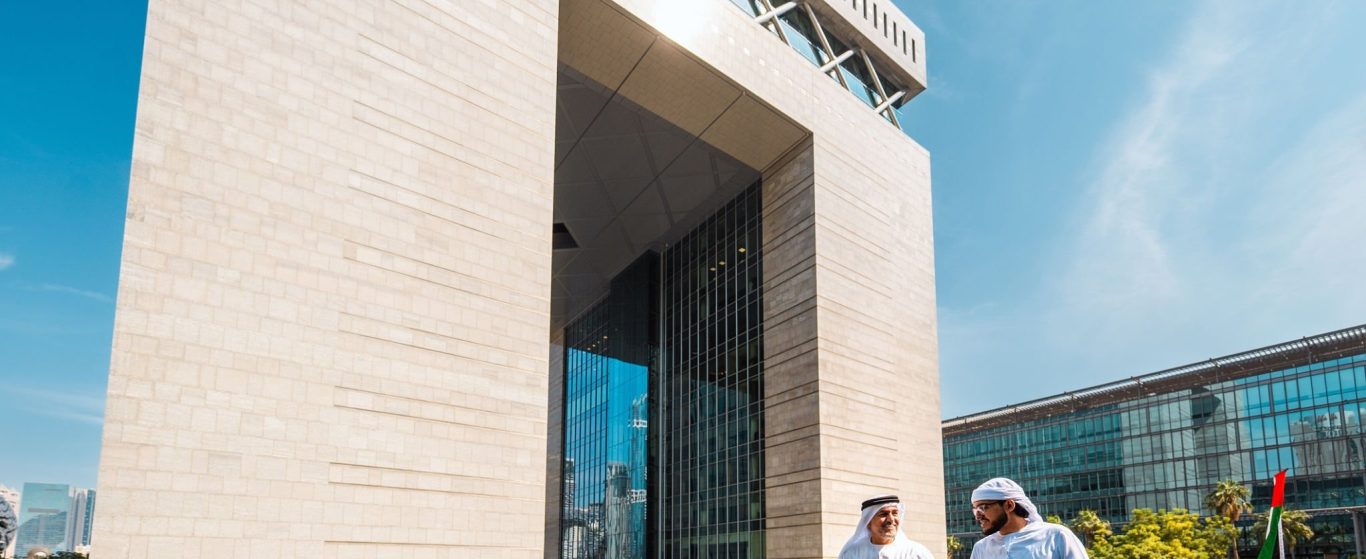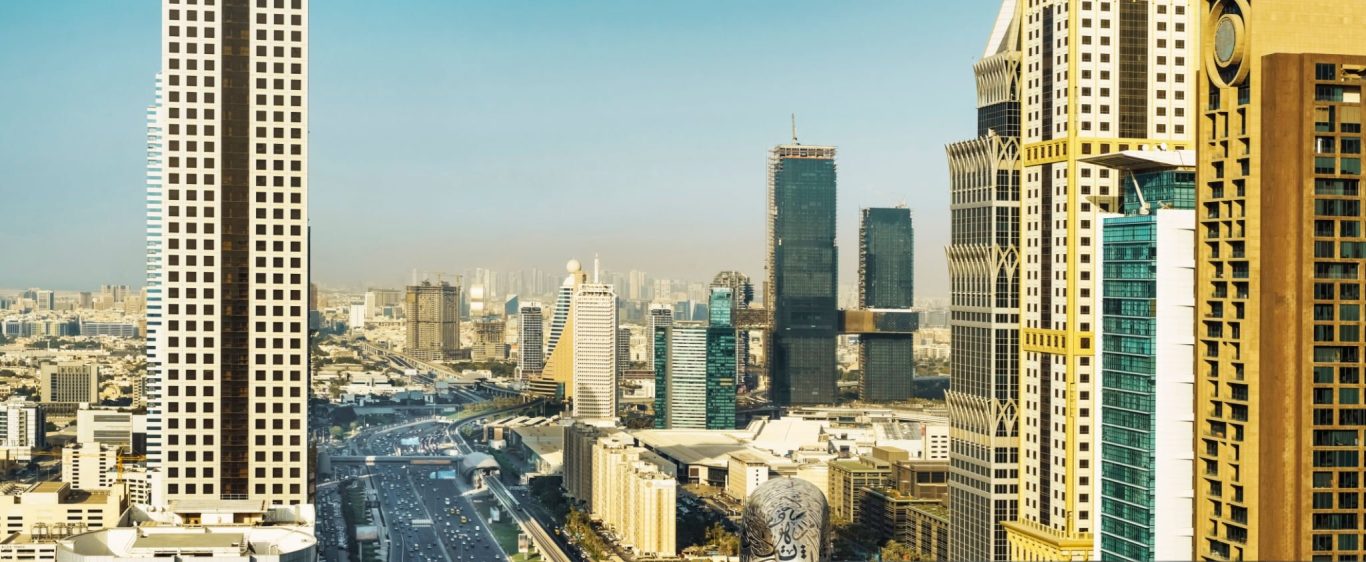


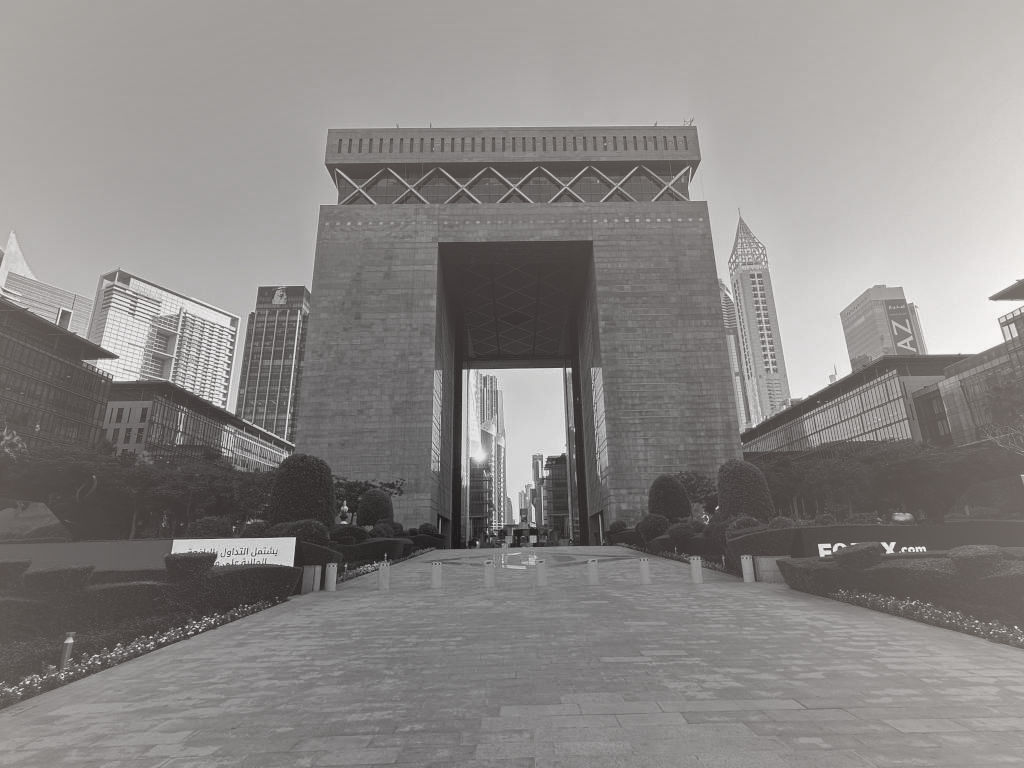
The Dubai International Financial Centre (DIFC) is one of the most important financial zones in the Middle East. It is located in Dubai and is home to many international banks, insurance companies, and investment firms. The creation of the DIFC marked a turning point in Dubai’s plan to become a major financial hub not only in the region but also in the world.
In the early 2000s, Dubai realized that its economy relied too much on oil and real estate. To ensure long-term growth and economic security, the government decided to shift its focus. The goal was to build a global financial center that could attract companies and investors from around the world. This would help Dubai grow new sectors like banking, insurance, and investment services.
In 2002, Sheikh Mohammed bin Rashid Al Maktoum, the Ruler of Dubai, made an important decision. He issued a decree that officially launched the plan to build the DIFC. This decision laid the foundation for what would become one of the top financial centers in the world. The idea was to offer a safe, well-regulated place for financial businesses to operate in the region.
Setting Up the Legal System
To attract international companies, Dubai needed to offer a legal system they could trust. In 2004, the DIFC Law was passed. It introduced a legal system based on English common law, which many international companies are familiar with. This made the DIFC different from other parts of Dubai, where local laws based on civil law or Sharia law are more common.
At the same time, Dubai created an independent body called the Dubai Financial Services Authority (DFSA). This organization is responsible for regulating financial companies in the DIFC. It ensures that the companies follow strict rules and that the market remains fair and transparent. This helped make the DIFC a secure and attractive place for global firms.
Rapid Growth and Global Interest
After setting up the legal and regulatory systems, the DIFC started issuing licenses to financial companies. It didn’t take long for big international banks, investment firms, and insurance providers to open offices in the DIFC. The government made the DIFC even more appealing by offering benefits like zero taxes on profits, full foreign ownership, and easy repatriation of money.
The DIFC continued to expand its services. It wasn’t just about banking anymore it also became a center for asset management, private wealth advisory, fintech (financial technology), and Islamic finance. Today, the DIFC is home to over 2,500 companies, many of which are well-known international financial institutions.
Leadership Behind the DIFC’s Success
The growth of the DIFC wouldn’t have been possible without strong leadership. Sheikh Mohammed’s vision laid the groundwork, but other important figures helped make it a reality. Dr. Omar Bin Sulaiman was the first Director-General of the DIFC, and he helped attract global financial firms by building trust and promoting the center internationally.
Essa Kazim, who later took over the leadership role, also played a key part in developing the DIFC. Under his guidance, the DIFC expanded and became even more recognized on the global stage. The Dubai government has continued to support the DIFC with business-friendly policies, infrastructure development, and international promotion.
A Strong Legal and Business Environment
One of the main reasons for the DIFC’s success is its legal and business environment. Unlike other free zones in the UAE, the DIFC has its own set of laws and its own courts, which are modelled after common law systems. These courts operate in English and are independent from the UAE’s local legal system. This gives businesses more confidence in solving legal disputes fairly and quickly.
The DIFC has also signed agreements with global financial and legal bodies, helping to improve its international reputation. These partnerships have allowed the DIFC to align its rules and standards with the best practices seen in cities like London, New York, and Singapore.
The DIFC’s Role in Dubai’s Economy
The DIFC has played a big role in diversifying Dubai’s economy. By attracting global businesses, it has helped reduce the city’s reliance on oil revenues. Today, the financial sector is one of the key drivers of Dubai’s economic growth. The DIFC has brought in significant foreign investment and created many job opportunities in finance, law, and technology.
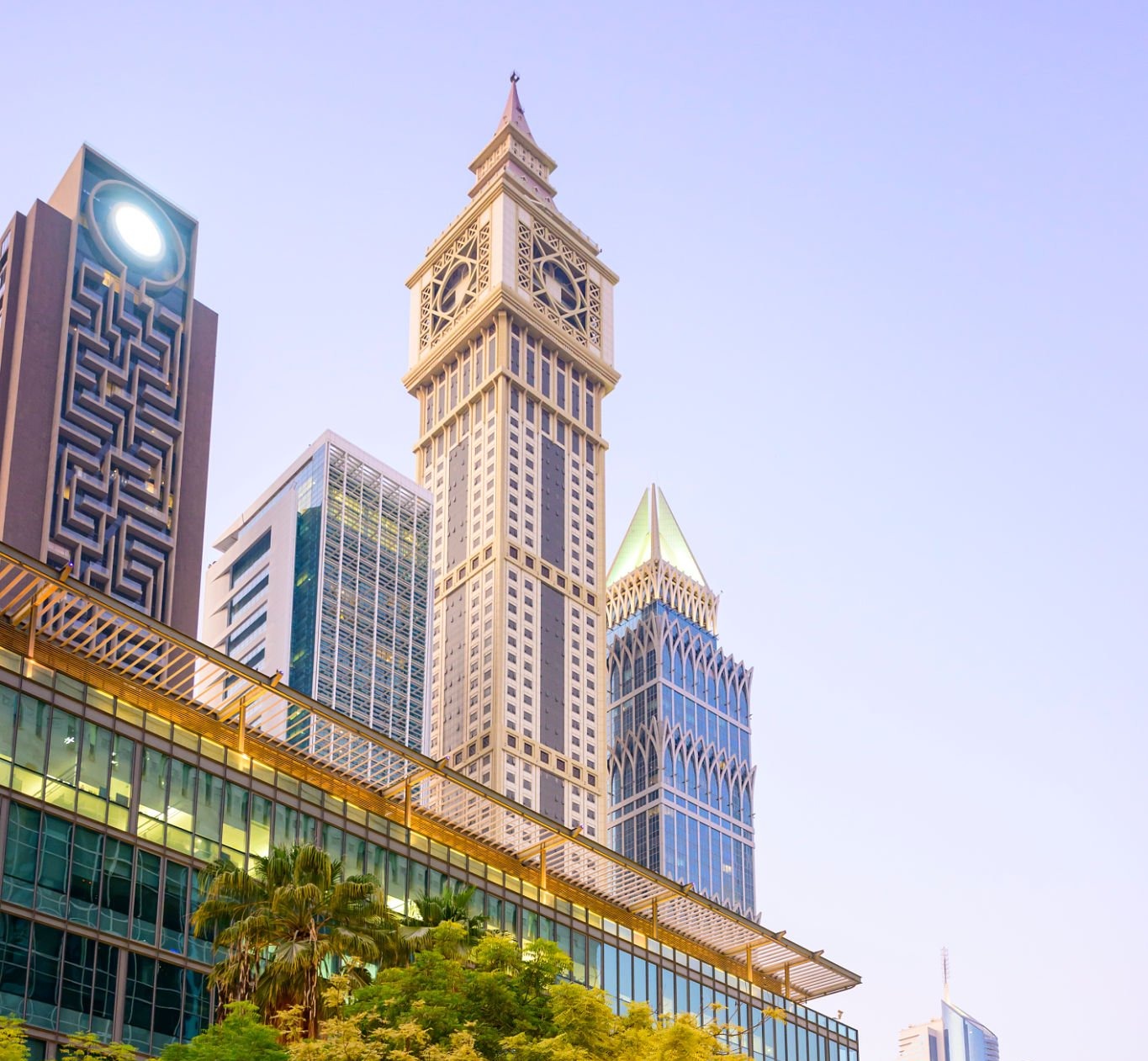
The financial hub has also helped boost Dubai’s position in the global business world. With its modern infrastructure, advanced office buildings, and access to skilled professionals, the DIFC has become a magnet for both companies and talent.
Infrastructure and Innovation
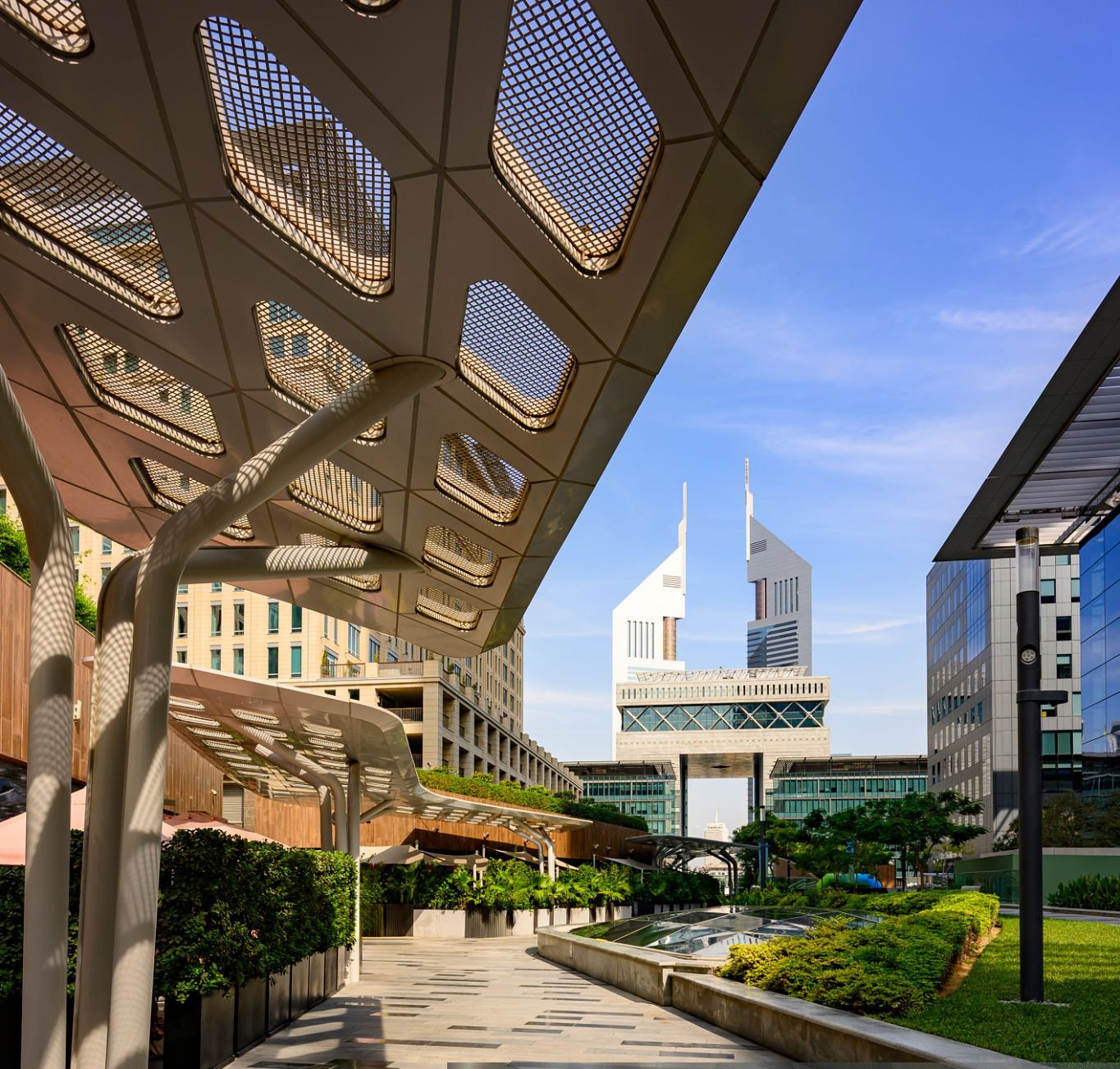
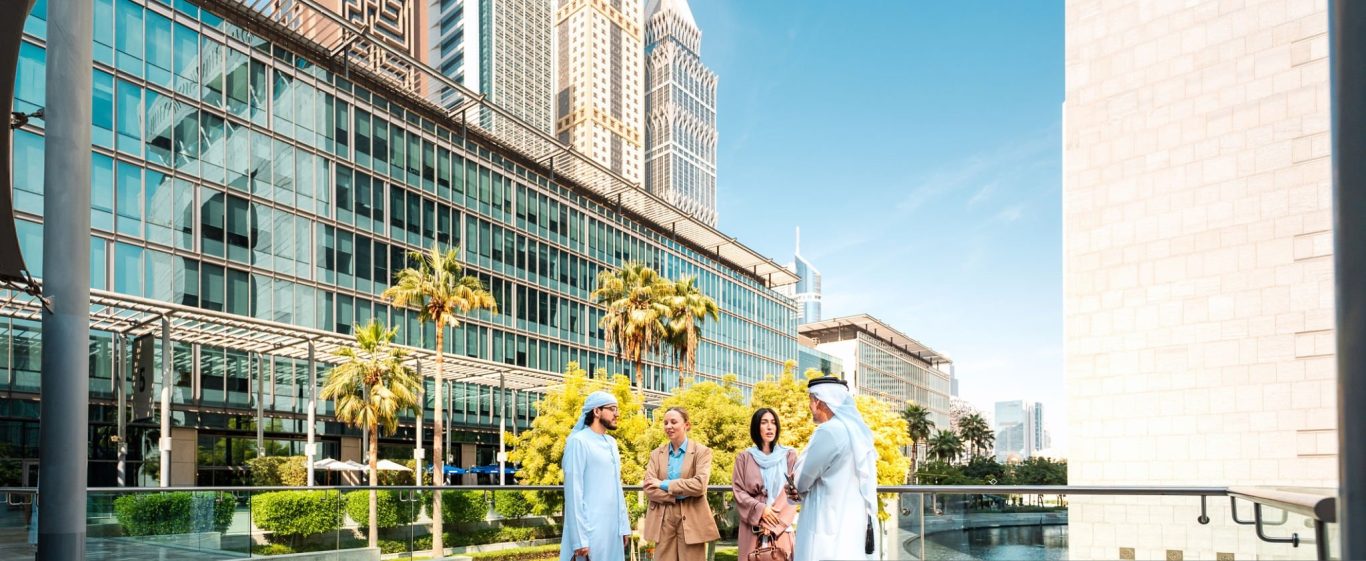
Another major advantage of the DIFC is its modern infrastructure. It offers top-quality office spaces, high-speed internet, and excellent transportation options. These facilities help companies run efficiently and attract professionals from around the world.
In recent years, the DIFC has also focused on innovation. It supports fintech startups and has created a special platform called “DIFC Innovation Hub” where new companies can grow. By embracing digital technologies, the DIFC ensures it stays competitive in the global market.
Global Partnerships and Recognition
The DIFC’s reputation has grown through its collaboration with world-famous institutions. It has worked closely with organizations like the London Stock Exchange, the International Monetary Fund (IMF), New York University (NYU), and the World Bank. These partnerships have helped the DIFC build trust and bring in global expertise.
Such collaborations have also led to knowledge sharing, training programs, and joint research, all of which improve the services and talent pool in the DIFC.
Challenges and Future Opportunities
While the DIFC is a major success story, it still faces some challenges. Other cities in the Gulf, like Abu Dhabi, Riyadh, and Bahrain, are also developing their own financial centers. This means that the DIFC must keep improving and finding new ways to stay ahead.
One big opportunity for growth is in Islamic finance. As demand for Sharia-compliant financial services increases, the DIFC can use its experience in this area to become a global leader. The center can also play a bigger role in connecting investors across Asia, Africa, and Europe.
Conclusion
The Dubai International Financial Centre has come a long way since it was launched in 2004. Built on strong leadership, clear laws, and world-class infrastructure, it has transformed Dubai into a key global financial center. With continued support, innovation, and strategic partnerships, the DIFC is likely to remain a driving force in the regional and international financial sectors for many years to come.