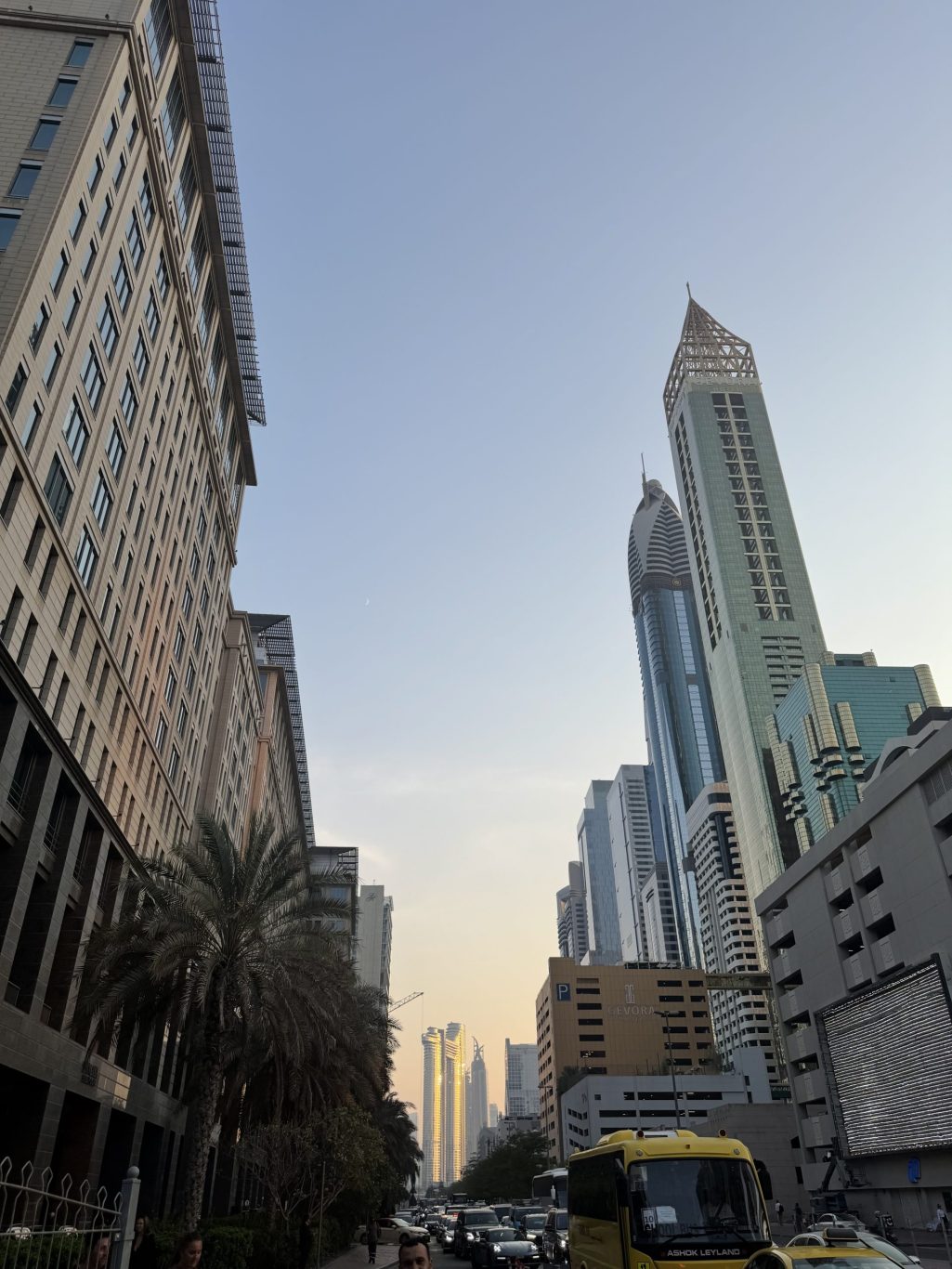



Introduction
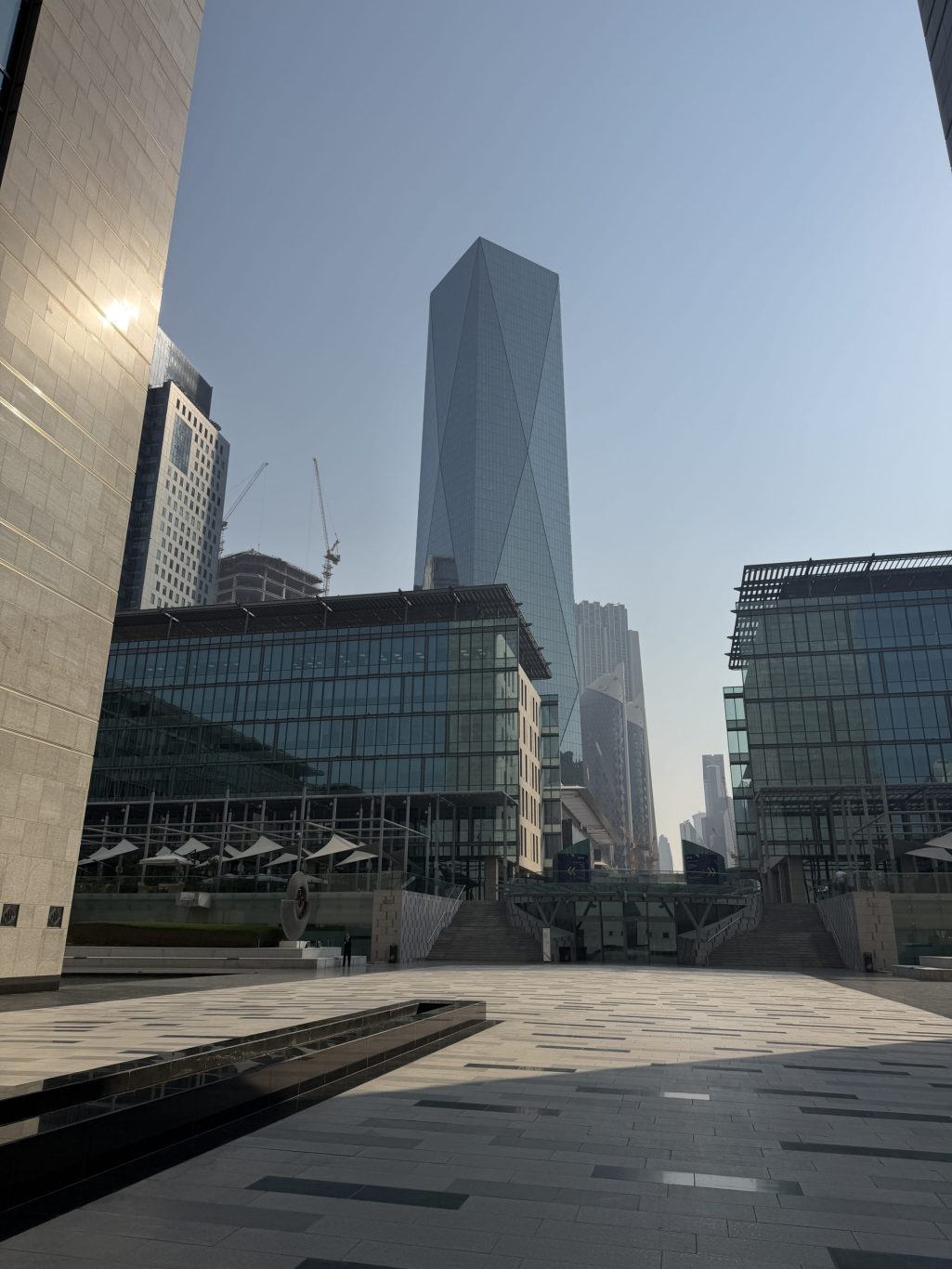
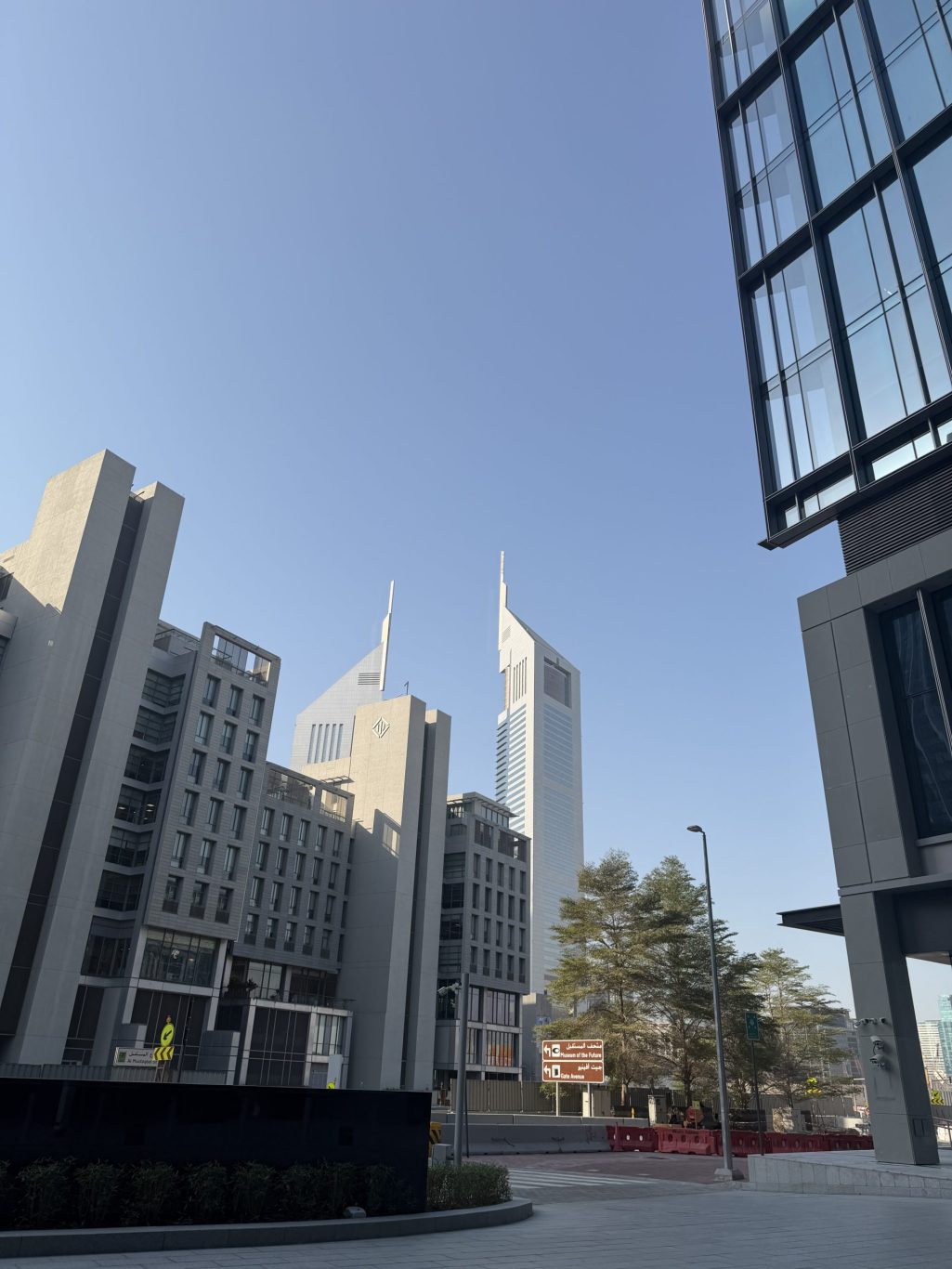
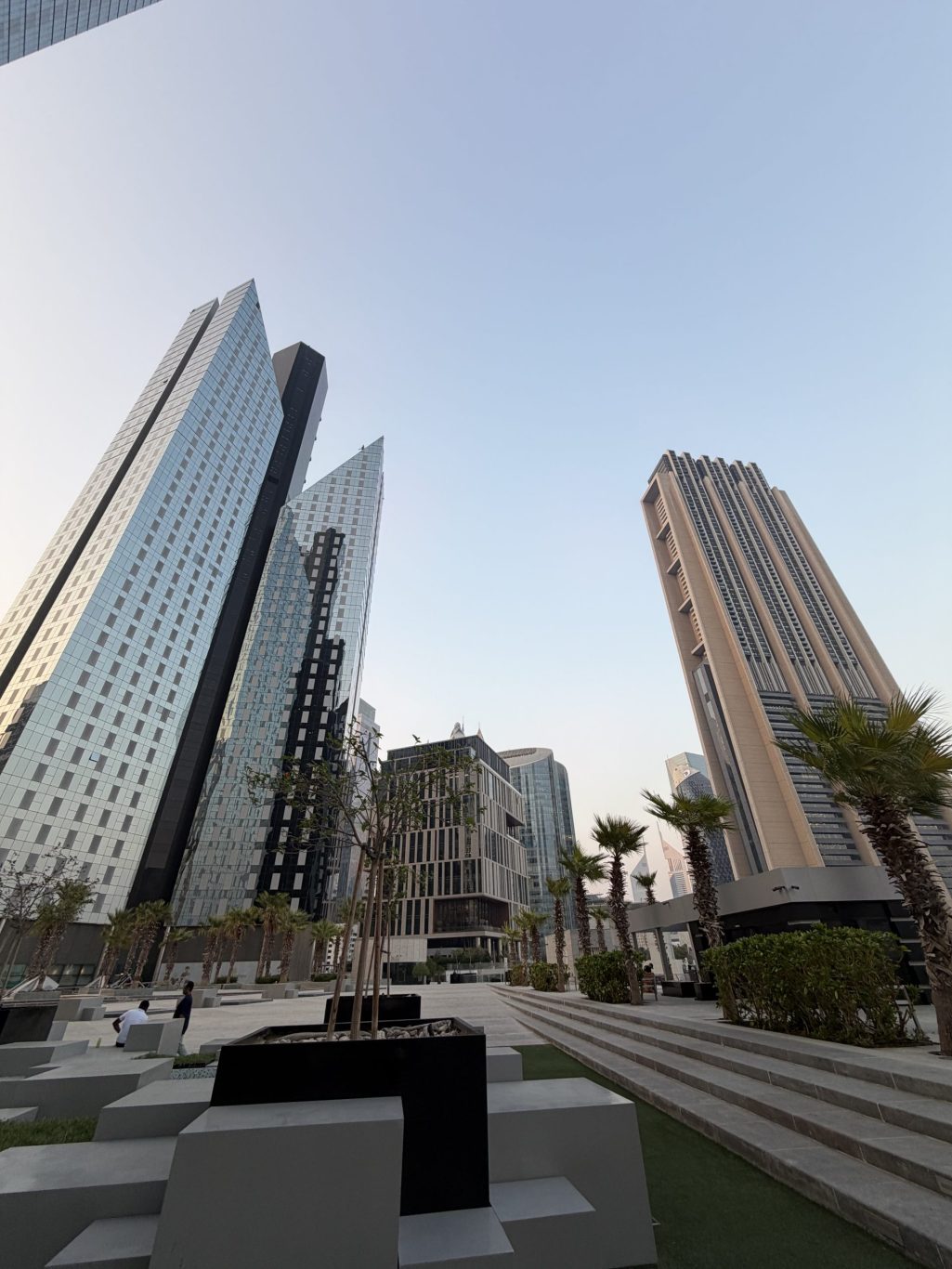
The Dubai International Financial Centre (DIFC) has become a key destination for professionals seeking global career opportunities in finance, law, and technology. Located in the heart of Dubai, DIFC offers a unique combination of high-paying jobs, a tax-free income environment, and access to international markets. Its independent legal system, modern infrastructure, and strong regulatory framework make it attractive to multinational firms and skilled workers alike. This research explores the main reasons why people choose to work in DIFC, highlighting the economic, legal, and lifestyle factors that contribute to its appeal as a leading professional hub.
What the Article Will Cover
- Key Industries in DIFC
- Location and Commute
- Culture and People
- Benefits and Compensation
- DIFC Tips & Tricks
Key Industries in DIFC
Banking and Finance
• Includes international and regional banks, investment banks, private equity firms and financial institutions.
• Supports corporate banking, private banking, investment banking and other financial services.
Examples: J.P. Morgan · Standard Chartered · HSBC
FinTech, AI and Innovation
• Covers financial technology, artificial intelligence, blockchain, digital payments, RegTech and InsurTech.
• Supported by DIFC’s innovation ecosystem, including innovation hubs, accelerators and programmes for technology companies.
Examples: Ripple · Tabby · Tarabut
Asset and Wealth Management
• A major hub for asset managers, fund managers, family offices, private equity firms and investment advisory companies.
• Covers wealth management, asset management, fund management, hedge funds and alternative investments.
Examples: BlackRock · PIMCO · Franklin Templeton
Insurance and Reinsurance
• Hosts international and regional insurance, reinsurance and insurance broking companies.
• Supports underwriting, risk management, insurance solutions and specialist reinsurance activities.
Examples: Allianz Trade · Howden Re · Zurich Insurance
Legal and Professional Services
• Home to international law firms, consultancies, accounting and auditing firms and other professional service providers.
• Provides legal, regulatory, financial and business support to companies operating in DIFC and across the region.
Examples: White & Case · Latham & Watkins · KPMG
Capital Markets
• Facilitates debt and equity market activities, including listings, trading, fundraising and investment.
• Connected to Nasdaq Dubai, supporting access to regional and international capital markets.
Examples: Nasdaq Dubai · HSBC · Emirates NBD
Islamic Finance
• Supports Sharia-compliant banking, investment, asset management, Sukuk and other Islamic financial products.
• DIFC’s financial ecosystem includes institutions specialising in Islamic finance and Sharia-compliant investment activities.
Examples: ADIB Capital Limited · Maybank Islamic Berhad · Binghatti Capital Limited
Luxury Hospitality, Retail and F&B
• DIFC is home to luxury hotels, restaurants, cafés, bars, fashion and lifestyle brands, particularly across Gate Village, Gate District and Gate Avenue.
• The sector supports business dining, hospitality, retail experiences and leisure activities for DIFC’s professional and visitor community.
Examples: Four Seasons Hotel DIFC · Zuma · Damas
Location and Commute
The Dubai International Financial Centre (DIFC) is centrally located along Sheikh Zayed Road, making it accessible by Metro, bus, taxi and private car. Your best option will depend on where you are coming from, your work location within DIFC and your preferred travel time.
By Metro
The Dubai Metro Red Line is one of the most convenient ways to reach DIFC. The main stations serving the area are Emirates Towers and Financial Centre.
From the station, you can walk to your building or use a short taxi ride if your office is further inside DIFC.
Practical tip: Check your exact building before choosing between Emirates Towers and Financial Centre, as the walking distance can vary considerably.
By Bus
Several RTA bus routes connect surrounding areas with the DIFC and Emirates Towers area. Buses can be useful for those living away from a Metro station or looking for a more direct route. DIFC Academy, for example, lists several bus connections serving the Emirates Towers area.
Use Google Maps to check available bus routes, timings, and connections before travelling. It can also help you compare different routes and combinations based on your starting point and destination.
By Taxi or Ride-Hailing
Taxis and ride-hailing services are convenient when carrying luggage, travelling with colleagues, or when your office is not within comfortable walking distance of a Metro station.
For visitors, it is useful to have the building name and Gate/Gate Village number ready, as DIFC has several buildings and entrances close to each other.
By Car
DIFC is directly accessible from Sheikh Zayed Road, making it convenient for people driving from different parts of Dubai.
Before driving, check the parking arrangements for your specific DIFC building, as facilities and access points vary across the district. DIFC offers a range of parking options across its buildings and areas, including visitor, tenant, valet, and drop-off facilities.
Practical tip: During weekday peak hours, allow extra time for traffic and parking. If you are visiting a DIFC office for the first time, check the building’s exact entrance and parking location beforehand.
Traffic Tips
• If you’re driving to DIFC, be aware that traffic can be heavier during peak hours, particularly 7:00–9:30 AM and 5:00–8:00 PM, especially around Sheikh Zayed Road and the surrounding DIFC area.
• Check Google Maps or Waze before leaving for real-time traffic.
• If possible, avoid routes passing through Downtown, Financial Centre Road and Sheikh Zayed Road during peak periods.
• For first-time visitors, check your building and parking entrance in advance to avoid getting stuck looking for the correct access.
• If traffic is heavy, consider taking the Metro instead, especially if your destination is near Financial Centre or Emirates Towers.
Culture and People
International Workforce
DIFC attracts professionals from around the world, with its workforce representing more than 150 nationalities.
British, Indian, American, European, Pakistani, and Arab professionals work across finance, law, technology, and business services.
British Law and the DIFC Legal System
DIFC has its own legal framework based on common law principles, with independent courts that handle civil and commercial disputes.
DIFC Courts use English, and their common law framework is designed to support business and contract disputes involving local and international companies.
The exact law that applies can depend on the type of dispute and the parties’ agreement.
Workplace Culture
Office culture varies by employer and team, but many DIFC workplaces bring together colleagues from diverse cultural and professional backgrounds.
DIFC Employment Law provides protection against discrimination on specified grounds, including nationality, race, sex, religion, and disability.
DIFC offers a range of dining deals and business lunch options that colleagues can enjoy individually or as a team. Offers vary by venue, so it’s best to check with the restaurant for current menus and promotions.
Things to watch out for
- Business in Dubai is formal and relationship-driven. Punctuality, respect, and clear communication are highly valued.
- English is the primary business language, but cultural sensitivity especially toward local customs and Islamic practices-is important.
- Decision-making may take time and often involves hierarchical structures.
Work-Life Balance
- The standard workweek is Monday to Friday, typically 40 – 48 hours.
- While some sectors (like banking and law) demand longer hours, work-life balance is becoming a focus, especially in tech and creative industries.
After-Work Lifestyle
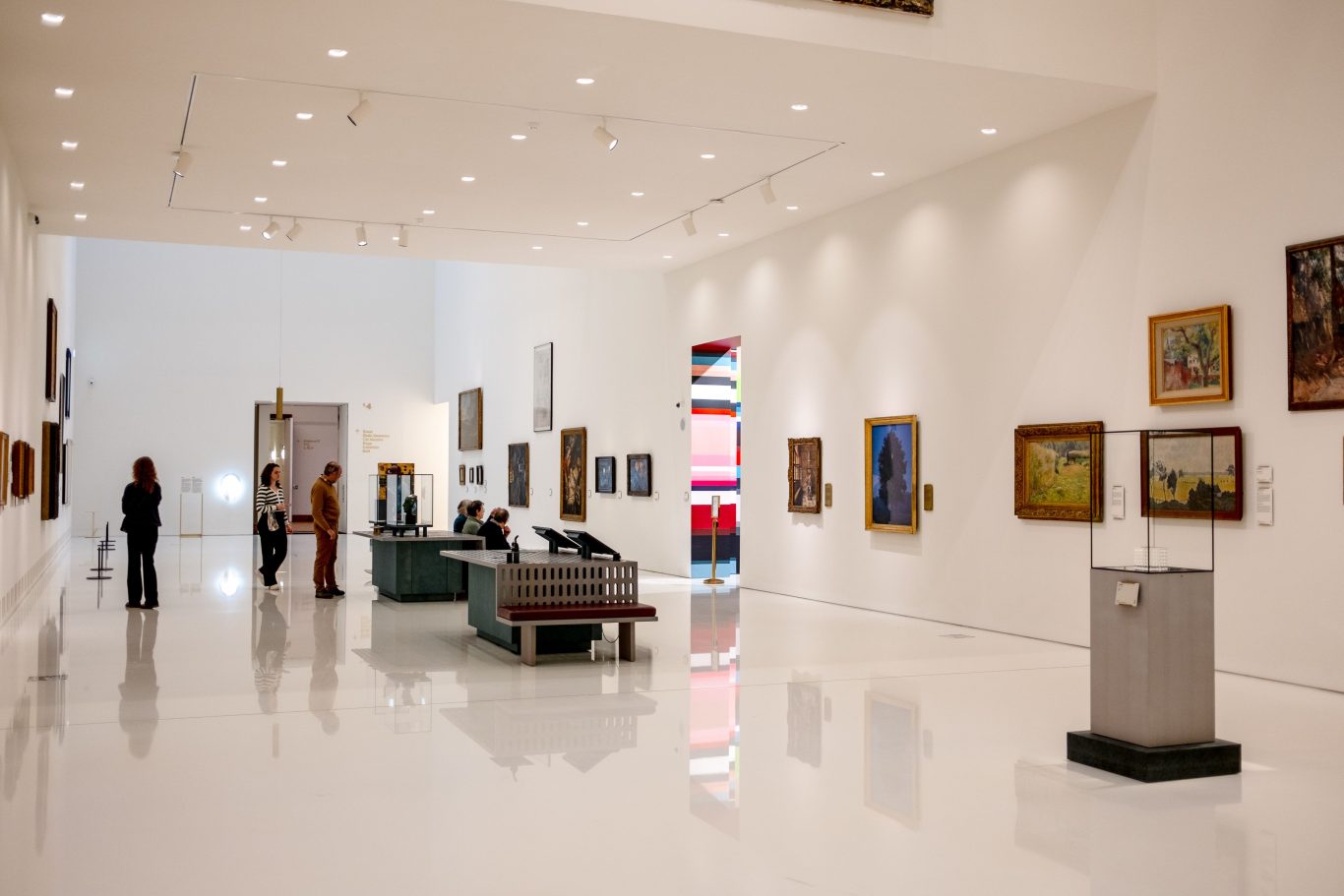
DIFC’s Gate Village, Gate Avenue, and Gate District bring restaurants, cafés, shops, and art galleries together within walking distance.
After work, people can visit galleries, have dinner or drinks, or meet colleagues nearby.
Benefits and Compensation
DIFC has its own labor law, which is independent from the UAE Federal Labor Law. It follows an English common-law framework.
Why DIFC is Different
Employees in DIFC are governed by DIFC Employment Law, meaning workplace savings, leave entitlements, employment contracts, and employee protections operate under a separate legal framework from UAE federal labour law.
Employment Rights
- Minimum notice periods, overtime, leave entitlements, and termination procedures are defined under DIFC Employment Law No. 2 of 2019 (amended in 2020)
- Mandatory benefits include DIFC Employee Workplace Savings (DEWS) instead of traditional gratuity.
- Employees must also be registered for the Unemployment Insurance Scheme (ILOE).
- Legal matters are handled by the DIFC Courts, not the UAE Ministry of Labour (MOHRE).
Employment Visa
In DIFC, employment visas are required for all foreign nationals working for companies registered in the free zone.
The company sponsors the employee’s visa. The process begins once the employee signs a contract.
Application Process
- Establishment Card: The company must hold a valid Establishment Card (renewed annually).
- Entry Permit: Issued for employees who are outside the UAE.
- Medical & Biometrics: After entry or status change, the employee must undergo a medical test and apply for Emirates ID.
- Duration: Employment visas are typically valid for 2 years.
Annual Leave & Employee Benefits
DIFC employees receive a minimum of:
- 20 working days of annual leave
- Up to 60 working days of sick leave, subject to pay provisions
Public holidays are separate from annual leave and do not reduce the 20-day entitlement.
The Importance of Basic Salary
Basic salary plays a key role in DIFC compensation packages because DEWS contributions are calculated on basic salary rather than total earnings. When reviewing an offer, it is important to understand the balance between basic salary and allowances.
DEWS Workplace Savings
One of the most significant benefits of working in DIFC is the DIFC Employee Workplace Savings (DEWS) scheme. Instead of a traditional end-of-service gratuity, employers make monthly contributions based on basic salary:
- 5.83% during the first five years of employment
- 8.33% after five years
Employees may also make voluntary contributions to build additional retirement savings.
Clear Employment Contracts
Employers must provide a written employment contract in English outlining key terms such as salary, working hours, leave, notice periods, and benefits. Before signing, review details relating to DEWS enrolment, bonus eligibility, health insurance, and notice requirements.
Types of Work Permits
- Full-Time: Standard employment with benefits such as annual leave and end-of-service gratuity.
- Part-Time: Pro-rated benefits based on hours/days worked.
- Temporary: For project-based roles up to 6 months.
Good to know
- Delays in Visa Processing: Missed deadlines can cause fines or blocks in the immigration system.
- Using the Wrong Portal: DIFC has its own portal and systems; do not apply via MOHRE unless instructed.
- Incomplete Contracts: Contracts not filed with DIFC authorities may lack legal standing.
- Medical Test Failure or Delay: This can result in application rejections or visa cancellation.
- Overstaying Outside UAE: If you’re abroad for over 6 months, your visa may be automatically canceled unless a re-entry permit is filed.
Tips and Tricks
- Familiarise yourself with the DIFC districts, including Gate Village, Gate District, ICD Brookfield Place and Innovation Hub.
- Use Gate Avenue to move efficiently between many DIFC office buildings and facilities.
- Schedule external meetings outside peak traffic hours whenever possible.
- Take advantage of industry events, networking sessions and panel discussions hosted throughout the year.
- Keep your access card readily available, as many buildings require controlled entry.
- Understand your employer’s DEWS and benefits structure from the beginning of your employment.
- Save key contacts for building management, HR, IT support and reception services.
- Book meeting rooms and visitor parking in advance, particularly during busy periods.
- Familiarise yourself with nearby business services such as printing centres, banks, clinics and pharmacies.
- Use your first few weeks to build connections across the DIFC community, not just within your own organisation.
- Stay informed about DIFC regulations, announcements and community initiatives relevant to your industry.
DIFC is more than a business district. It is a professional ecosystem where networking, industry events and cross-sector collaboration are a key part of the working experience.