


Introduction
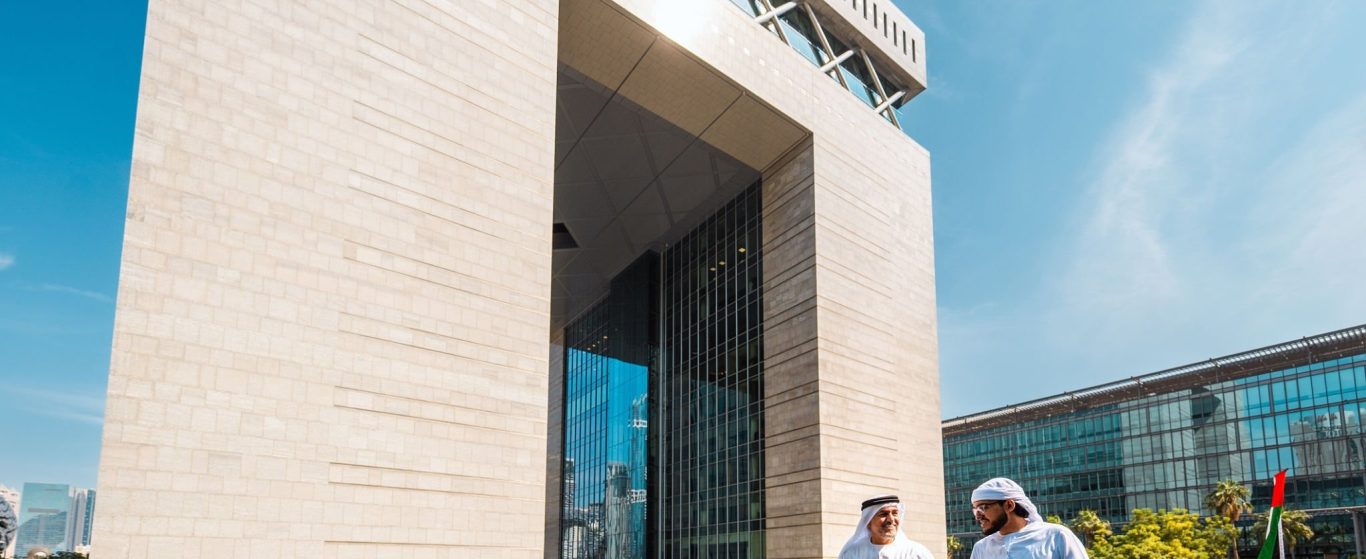
The Dubai International Financial Centre (DIFC) has become a key destination for professionals seeking global career opportunities in finance, law, and technology. Located in the heart of Dubai, DIFC offers a unique combination of high-paying jobs, a tax-free income environment, and access to international markets. Its independent legal system, modern infrastructure, and strong regulatory framework make it attractive to multinational firms and skilled workers alike. This research explores the main reasons why people choose to work in DIFC, highlighting the economic, legal, and lifestyle factors that contribute to its appeal as a leading professional hub.
What the Article Will Cover
- Economic and Career Opportunities: High-paying jobs, international exposure, and career growth in finance, law, and fintech.
- Legal and Regulatory Environment: The benefits of DIFC’s independent common law system and the role of the Dubai Financial Services Authority (DFSA).
- Tax and Financial Incentives: How DIFC’s tax-free income and business-friendly policies draw global talent.
- Quality of Life and Work Environment: Modern infrastructure, lifestyle amenities, and a balanced work culture.
- Professional Development and Networking: Access to global networks, industry events, and training programs.
- Challenges and Considerations: Issues such as cost of living, job market competition, and relocation factors.
Key Industries in DIFC
Banking and Finance
- Includes international and regional banks, investment banks, private equity firms, and wealth management companies.
- Major global financial institutions have regional headquarters here.
FinTech
- One of the fastest-growing sectors in DIFC, supported by innovation hubs, accelerators, and regulatory sandboxes.
- Covers blockchain, digital payments, robo-advisory, and insurtech startups.
Asset and Wealth Management
- A major hub for fund managers, family offices, and investment advisory firms.
- DIFC manages billions in assets under management (AUM).
Insurance and Reinsurance
- Hosts major international insurance and reinsurance companies.
- A key regional center for underwriting and risk management.
Legal and Professional Services
- Home to top-tier international law firms, arbitration centers, consultancy, and auditing firms.
- Supports the regulatory and transactional needs of financial businesses.
Capital Markets
- Facilitates debt and equity market activities, including listings, trading, and fundraising.
- Close ties with Nasdaq Dubai, which operates within DIFC.
Islamic Finance
- A recognized center for Sharia-compliant banking, investment, and insurance services.
- DIFC plays a leading role in the global Islamic finance market.
The Dubai Job Market: What You Need to Know
A. General Job Trends in Dubai
Dubai continues to solidify its position as a global business and talent hub, attracting skilled professionals across industries. Key trends shaping the job market include a shift toward digital transformation, government-led economic diversification, and a strong emphasis on innovation and entrepreneurship.
Most In-Demand Sectors
- Finance and Banking
- Technology and Cybersecurity
- Healthcare and Pharmaceuticals
- Legal and Compliance
- E-commerce and Digital Marketing
- Renewable Energy and Sustainability
- Logistics and Supply Chain
- These sectors are expected to grow further due to regional demand, foreign investment, and national development initiatives like UAE Vision 2030.
What Kind of Companies Are Located in DIFC
DIFC (Dubai International Financial Centre) is home to more than 5,000 companies, including:
- Global banks and investment firms: HSBC, Citi, JP Morgan, and Barclays
- Private equity and asset management firms
- Insurance and reinsurance providers: AXA, AIG, Zurich
- FinTech startups and innovation hubs
- Legal firms and consultants: Allen & Overy, Clifford Chance, PwC, Deloitte
- Multinational corporate headquarters and holding companies DIFC serves as a regional hub for companies operating across the Middle East, Africa, and South Asia (MEASA).
B. Salaries & Compensation
Salaries in DIFC tend to be higher than in other parts of Dubai, reflecting the region’s status as a financial and legal services center. Estimated monthly salaries (AED) by role include:
Financial Analyst
Investment Banker
Corporate Lawyer
FinTech Developer
Compliance Officer
18,000 – 30,000
30,000 – 60,000+
35,000 – 70,000+
25,000 – 45,000
20,000 – 40,000
(Actual figures vary depending on experience, firm size, and sector.)
Benefits Packages
Many companies in DIFC offer generous benefits beyond base salary, including:
- Housing allowance or accommodation support
- Private health insurance
- Schooling allowance for children
- Annual flight tickets home
- End-of-service gratuity (as per UAE labor law)
- Bonuses and performance incentives
These packages are especially appealing to expatriate professionals and play a major role in talent attraction.
C. Work Culture in Dubai
Professional Etiquette and Business Norms
- Business in Dubai is formal and relationship-driven. Punctuality, respect, and clear communication are highly valued.
- English is the primary business language, but cultural sensitivity especially toward local customs and Islamic practices-is important.
- Decision-making may take time and often involves hierarchical structures.
Work-Life Balance
- The standard workweek is Monday to Friday, typically 40 – 48 hours.
- While some sectors (like banking and law) demand longer hours, work-life balance is becoming a focus, especially in tech and creative industries.
- Dubai offers a range of leisure, fitness, and family-friendly activities that support a balanced lifestyle outside of work.
Job Search & Recruitment
A. Where to Look for Jobs
Finding a job in Dubai, particularly within DIFC and related industries, requires knowing where employers and recruiters are most active. The most effective platforms and resources include:
Top Job Portals
- LinkedIn – The most widely used platform for professional networking and job listings in Dubai. Many DIFC-based companies post jobs directly here.
- Bayt.com – One of the largest Middle East-focused job boards.
- Gulftalent.com – Offers professional and mid-to-senior-level vacancies in the UAE.
- NaukriGulf.com – Popular for both white-collar and skilled jobs across industries.
- DIFC Careers Portal – Lists roles within the DIFC jurisdiction (https://careers.difc.ae).
Recruitment Agencies and Headhunters
Several specialized recruitment firms are highly active in DIFC and Dubai:
- Michael Page Middle East – Focuses on finance, law, tech, and executive-level roles.
- Robert Half UAE – Known for finance, accounting, and legal recruitment.
- Hays Middle East – Covers banking, HR, tech, and professional services.
- Charterhouse – Frequently recruits for high-profile firms in DIFC.
- BAC Middle East – One of the oldest agencies in the region, covering a range of sectors.
Many high-level or confidential roles in DIFC are filled through headhunting, so keeping an up-to-date and optimized LinkedIn profile is essential.
B. Application Tips
Resume Formatting for UAE
- Keep your CV to 1-2 pages, clear and concise.
- Include a professional photo (common in UAE, though optional for some industries).
- Add personal details such as nationality, visa status, and languages spoken.
- Emphasize quantifiable achievements and tailor your CV to match each job description.
- Use a clean, modern layout avoid over-designed formats.
Work Visas, Permits & Legal Requirements
A. Employment Visas – How does it work?
In DIFC, employment visas are required for all foreign nationals working for companies registered in the free zone. Here’s how it works:
Employer Sponsorship: The company sponsors the employee’s visa. The process begins once the employee signs a contract.
Application Process:
- Establishment Card: The company must hold a valid Establishment Card (renewed annually).
- Entry Permit: Issued for employees who are outside the UAE.
- Medical & Biometrics: After entry or status change, the employee must undergo a medical test and apply for Emirates ID.
- Visa Stamping: The final step is residence visa stamping in the passport.
Duration: Employment visas are typically valid for 2 years.
Golden Visa: For eligible executives and investors (e.g. AED 30,000+ salary or AED 2M investment), a 10-year Golden Visa is an option.
All visa processes are managed through the DIFC Client Portal, which serves as a one-stop shop for employment-related government services.
B. Work Permits and Labor Law – How does it work?
DIFC has its own labor law, which is independent from the UAE Federal Labor Law. It follows an English common-law framework.
Types of Work Permits
- Full-Time: Standard employment with benefits such as annual leave and end-of-service gratuity.
- Part-Time: Pro-rated benefits based on hours/days worked.
- Temporary: For project-based roles up to 6 months.
Employment Rights:
- Minimum notice periods, overtime, leave entitlements, and termination procedures are defined under DIFC Employment Law No. 2 of 2019 (amended in 2020)
- Mandatory benefits include DIFC Employee Workplace Savings (DEWS) instead of traditional gratuity.
- Employees must also be registered for the Unemployment Insurance Scheme (ILOE).
Legal matters are handled by the DIFC Courts, not the UAE Ministry of Labour (MOHRE).
Challenges & Things to Watch Out For
Contract Issues or Hidden Clauses
Training cost recovery or visa reimbursement clauses are generally not enforceable under DIFC law.
Make sure:
- Job title and responsibilities match the actual role.
- Notice periods and probation conditions are clearly stated.
- The contract specifies DIFC jurisdiction.
Some companies may include non-compete clauses verify that they are reasonable and time-limited
Common Errors / Problems
- Delays in Visa Processing: Missed deadlines can cause fines or blocks in the immigration system.
- Using the Wrong Portal: DIFC has its own portal and systems; do not apply via MOHRE unless instructed.
- Incomplete Contracts: Contracts not filed with DIFC authorities may lack legal standing.
- Medical Test Failure or Delay: This can result in application rejections or visa cancellation.
- Overstaying Outside UAE: If you’re abroad for over 6 months, your visa may be automatically canceled unless a re-entry permit is filed.
Resources – Useful Websites
Official DIFC Resources
- DIFC Authority (General Info & Legal Resources): https://www.difc.ae
- DIFC Government Services (Visas, Establishment Card, Portal Access): https://www.difc.ae/business/operating/government-services/
- DIFC Employment Law Handbook (PDF): https://www.difc.ae/files/3816/1541/6819/Employment_Law_Guide_2020.pdf
Legal & Visa Services
- https://www.remotepass.com – DIFC visa & payroll solutions
- https://www.fragomen.com – Immigration law experts
- https://aston.ae – Legal advice on DIFC employment law
Expat Support & Forums