


Dubai, UAE – 24 February 2026
Dubai International Financial Centre (DIFC) has released the first report in its 2026 Future of Finance series, offering a detailed look at how global wealth is evolving amid economic uncertainty, demographic change and shifting capital flows.
Global Wealth Outlook: Rethinking Growth in a Changing World, the report examines the growing influence of high net worth individuals (HNWIs), a group that now numbers nearly 23 million worldwide and collectively controls close to USD 87 trillion in assets. With wealth on this scale, their investment decisions are playing an increasingly powerful role in shaping global markets.
A shift in how and where wealth is invested
According to the report, today’s wealth holders are reassessing not only what they invest in, but also where they invest. In a climate defined by market volatility, geopolitical uncertainty and regulatory divergence, geography has become as important as asset allocation. Jurisdictional stability, regulatory clarity and long-term security are now central considerations in preserving and growing capital.
A major driver of this shift is the estimated USD 124 trillion intergenerational wealth transfer expected by 2048. As younger family members take on more responsibility, investment priorities are changing. While financial returns remain essential, they are no longer the sole objective.
Next generation investors are seeking broader, multi-dimensional outcomes: protection against inflation and market shocks, portfolio flexibility, positive environmental and social impact, and the preservation of family legacy and reputation. Private markets, artificial intelligence, sustainability focused strategies and impact investments are gaining ground alongside traditional asset classes.
The report also points to the rising influence of women in wealth management. Women now account for more than a tenth of ultra-high net worth individuals and are expected to inherit the vast majority of USD 54 trillion in inter spousal wealth transfers. Many female investors, the report notes, prioritise investments aligned with ethical values, sustainability and long-term societal benefit.
Beyond sustainability, artificial intelligence is emerging as a key area of interest, particularly in sectors such as healthcare, education and resource management. Renewable energy is also expected to see strong growth, as wealthy investors increasingly move from pledges to tangible financial commitments.
The evolving role of wealth advisers
As client expectations grow more sophisticated, wealth advisers are being asked to do far more than manage portfolios. The report suggests that advisers must combine financial expertise with technological fluency and strong interpersonal skills. Understanding private market structures, venture partnerships and data driven analytics is becoming just as important as traditional asset allocation.
At the same time, wealth management remains deeply personal. Advisers must navigate complex family dynamics, build trust across generations and align financial strategies with each family’s long-term vision and values.
His Excellency Arif Amiri, Chief Executive Officer of DIFC Authority, said the global wealth landscape is undergoing a structural transformation. In an era of volatility and generational change, families are placing greater emphasis on resilience and long-term growth. He noted that geographic diversification is becoming a defining feature of modern wealth strategies and that Dubai particularly DIFC offers a stable, globally connected environment with regulatory clarity, enabling families and private investors to make long-term decisions with confidence.
Dubai’s growing appeal for private wealth
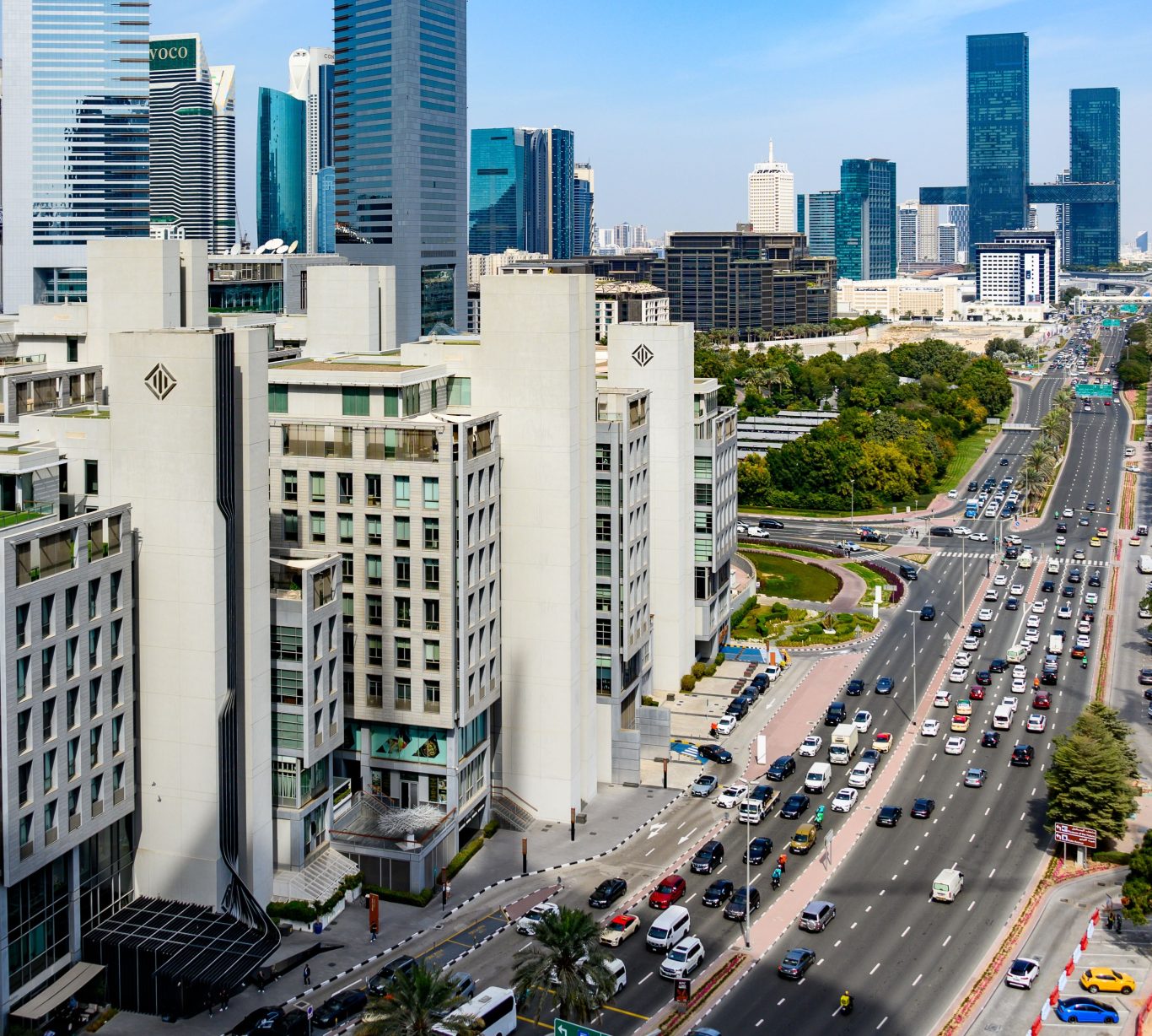
The report also underscores Dubai’s emergence as a leading destination for private and family wealth. By combining institutional depth with tax efficiency, political stability and global connectivity, the emirate has positioned itself as an attractive base for internationally mobile investors.
According to estimates from Henley & Partners, the UAE attracted approximately 9,800 new millionaires in 2025, the highest net inflow globally, with most settling in Dubai.
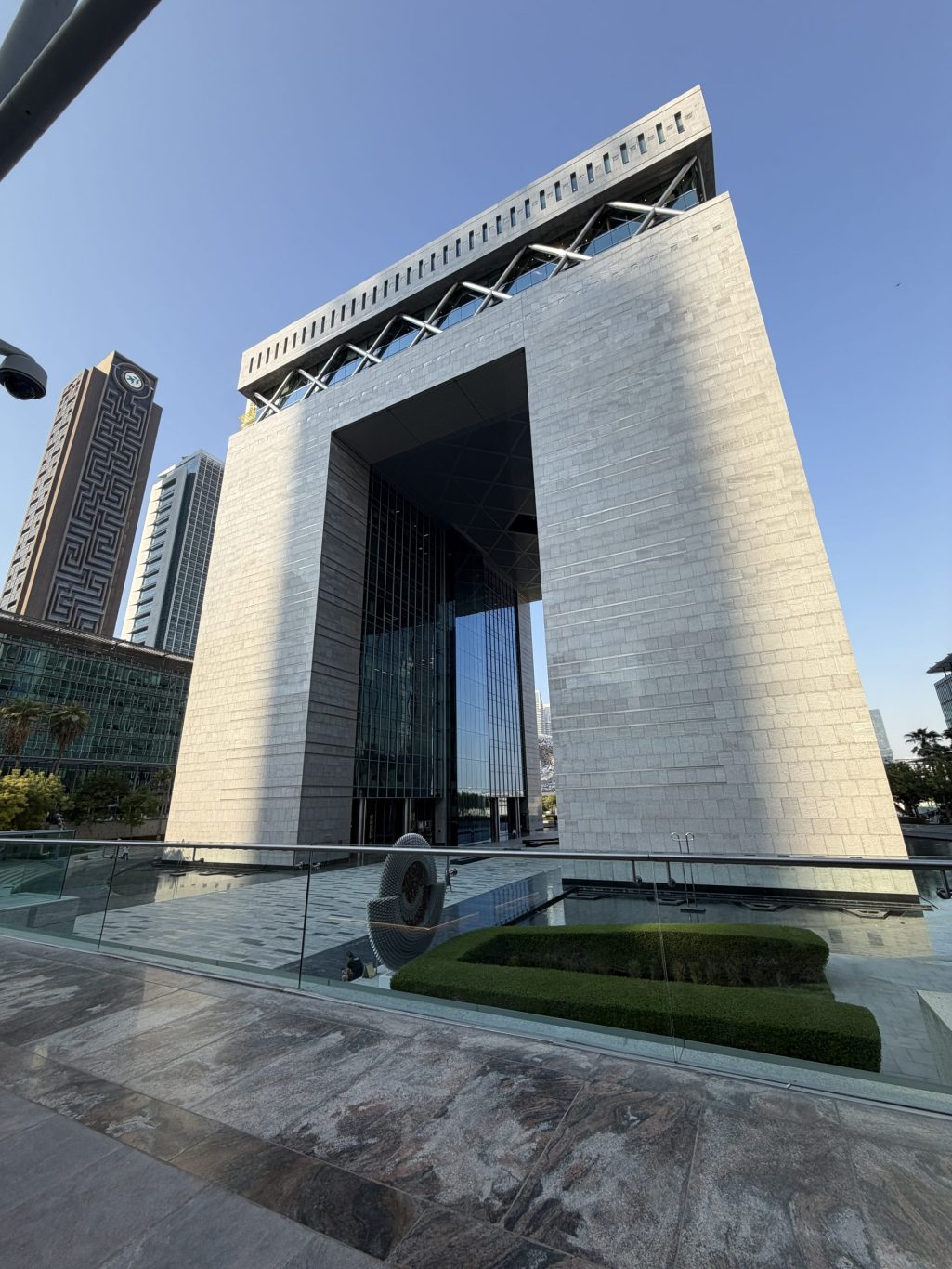
Within this landscape, DIFC plays a central role. The centre is now home to more than 1,289 family-related entities, forming the largest family wealth ecosystem in the UAE. Supported by a broad network of private banks, asset managers, legal firms and advisory specialists, DIFC continues to expand its infrastructure to meet the needs of multi-generational families.
One example is the DIFC Family Wealth Centre, a dedicated initiative designed to support family offices with governance frameworks, peer engagement and next generation education. The report highlights this as part of Dubai’s wider ambition not only to respond to global wealth shifts, but to actively shape an environment where private and family capital can grow and thrive over the long term.