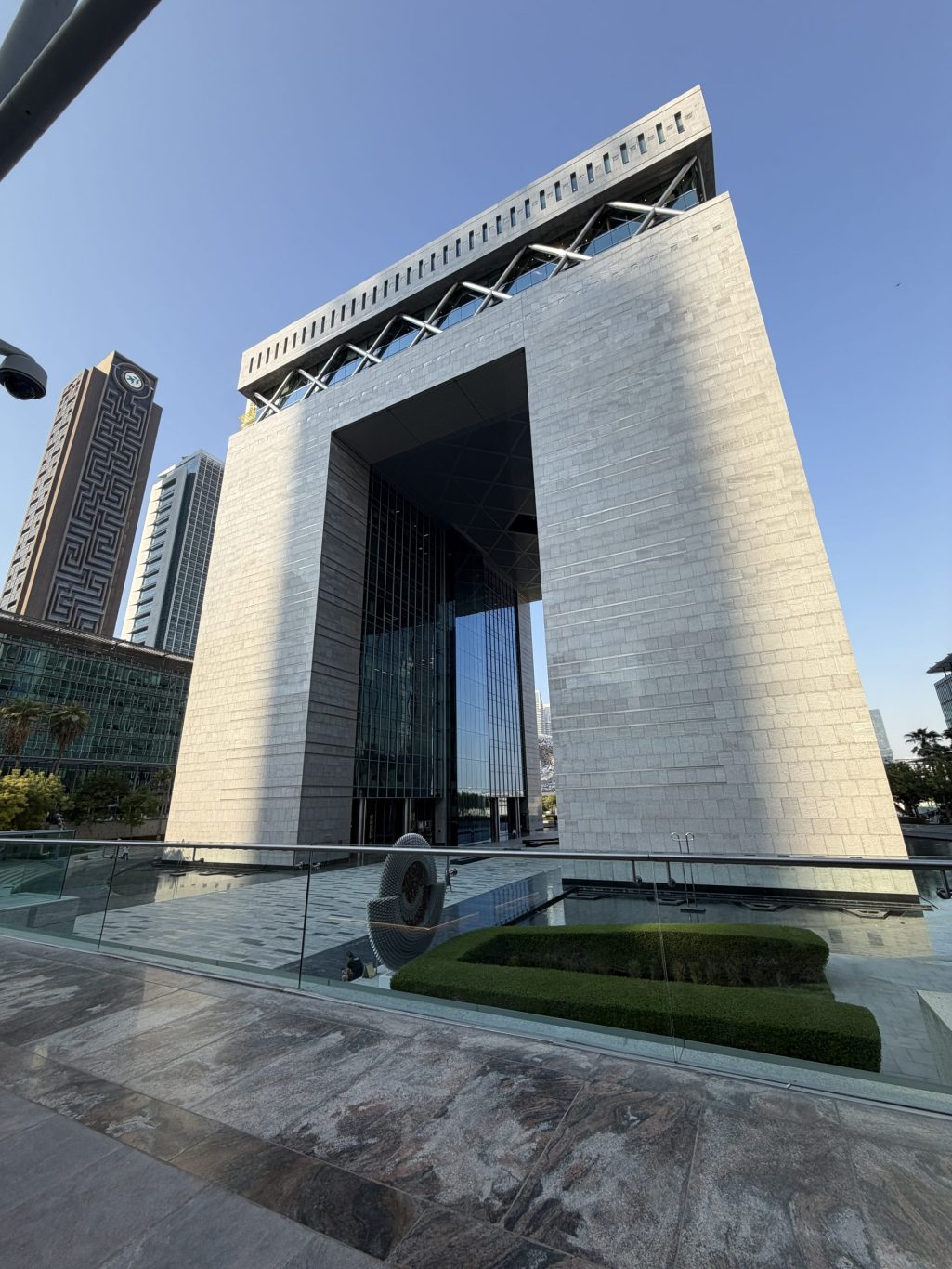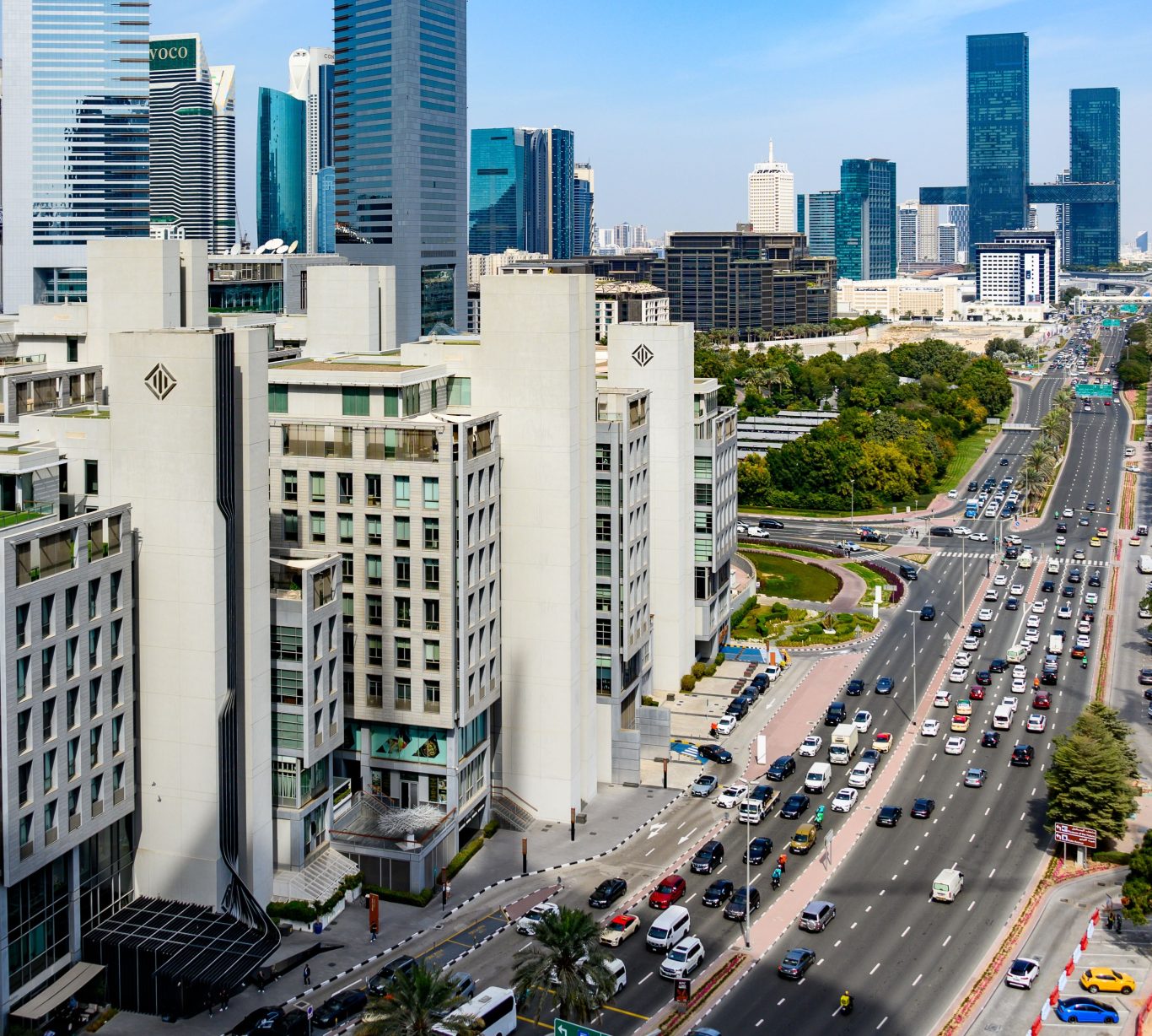


Tenancy regulations within the Dubai International Financial Centre (DIFC) continue to stand apart from the wider Dubai property market, with a strong emphasis on contractual clarity and a distinct legal framework that prioritizes written agreements over standardized rent controls.
A Separate Legal Framework
The landlord–tenant relationship in DIFC is governed primarily by the Leasing Law No. 1 of 2020 and the Real Property Law No. 10 of 2018, alongside periodically updated leasing regulations. These rules apply to most residential and commercial leases within the financial free zone, excluding certain categories such as hotels and serviced apartments.
Unlike other parts of Dubai, DIFC operates under a common law system, with disputes handled by DIFC Courts rather than the Dubai Rental Dispute Centre.
Mandatory Lease Registration
A key requirement in DIFC is that all leases must be formally documented and registered with the DIFC Registrar of Real Property. Agreements must clearly outline essential details including the property description, lease duration, rent structure, identities of both parties, and permitted use of the premises.
This contrasts with more informal practices sometimes seen elsewhere in Dubai, where registration compliance may vary.
Rent and Deposits: Flexible but Controlled
While security deposits are not mandatory, landlords who require them must cap the amount at 10% of the annual rent. DIFC does not follow Dubai’s RERA rent index system, meaning rent increases are typically determined by contractual terms or DIFC-specific regulations rather than a public calculator.
Additionally, a Tenancy Deposit Scheme (TDS) offers tenants an added layer of protection, allowing deposits to be managed within a regulated system rather than solely by landlords.
Defined Responsibilities for Landlords and Tenants
Landlords are required to maintain safe, habitable properties, ensure uninterrupted access to essential services, and respect tenant privacy by providing notice before entering units. Practices such as cutting utilities or harassment are strictly prohibited.
Tenants, on the other hand, must adhere to timely rent payments, use the property as agreed, avoid illegal activities, and return the unit in acceptable condition, accounting for normal wear and tear.
Clear Rules on Disputes and Termination
Lease termination in DIFC can occur through mutual agreement, contractual provisions, breaches, or court orders. Any disputes are resolved exclusively through DIFC Courts, reinforcing the system’s reliance on documented evidence and formal agreements.
Special provisions also address issues such as abandoned property and prohibit practices like “key money” in retail leasing.
Key Differences from the Rest of Dubai
DIFC’s tenancy system differs significantly from the broader Dubai market:
- No standardized rent index
- Mandatory lease registration through DIFC authorities (not Ejari)
- Disputes handled in DIFC Courts
- Greater reliance on contract terms rather than regulatory protections
Practical Implications for Tenants
Industry observers note that tenants in DIFC must exercise greater diligence before signing agreements. Key considerations include rent increase clauses, early termination penalties, maintenance responsibilities, and notice periods often around 90 days.
Experts warn that verbal agreements hold little weight in DIFC. Documentation, including emails, payment records, and property condition evidence, plays a crucial role in resolving disputes.
A Contract-Driven Market
Overall, DIFC leasing is widely seen as more structured but less protective by default compared to RERA-regulated areas. The system offers legal clarity, but places greater responsibility on both landlords and tenants to negotiate and document terms carefully.
As one property consultant noted, “In DIFC, everything comes down to what’s written in the contract. If you get that right, you’re protected. If you don’t, it can become costly very quickly.